
What Is a Heat Meter
Last updated: August 11, 2026
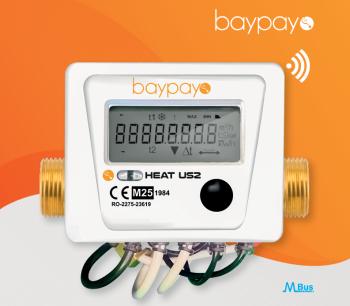
What is a heat meter, what does it measure, and how does it work? Learn about heat meters, heat cost allocators, hot and cold water meters, M-Bus and wireless RF heat meters, ultrasonic and mechanical measurement technologies, remote meter…
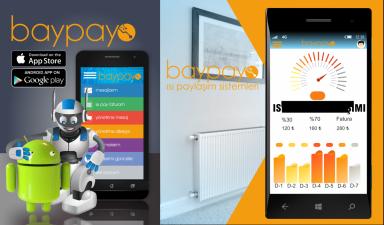
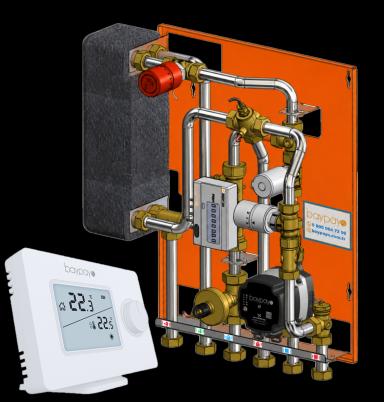
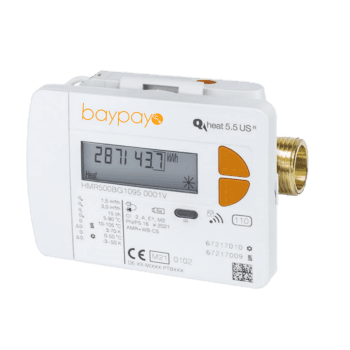
What Is a Heat Meter and What Does It Measure?
When heating costs are shared between apartments, offices, commercial units or other individual spaces, one of the most important questions is simple:
How much heating energy has each user actually consumed?
This is where a heat meter comes into play.
A heat meter measures the thermal energy delivered through a heating circuit by determining the amount of heating water passing through the system and the temperature difference between the supply and return lines. The measured energy can then be recorded, displayed, transmitted remotely and used as the basis for consumption monitoring or billing.
In Turkey, the term “kalorimetre” is commonly used for this type of device. However, in international technical English, the preferred terms are generally heat meter, thermal energy meter or, depending on the application, heat energy meter. The word calorimeter is usually associated with laboratory instruments used to measure heat in experimental applications, so it is not normally the best primary term for building heating meters.
Heat meters are widely used in apartment buildings, district heating systems, commercial buildings, industrial facilities, hotels, campuses and other properties where heating energy needs to be measured individually.
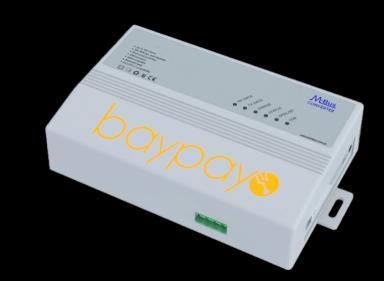
Modern heat meters can also do much more than simply display a consumption value. Depending on their design, they can communicate through M-Bus, RF wireless communication, gateways, data concentrators or remote reading platforms. This makes it possible to collect meter data without entering every apartment or individual unit.
But what exactly does a heat meter measure?
How does it work?
What is the difference between a heat meter and a heat cost allocator?
What is an ultrasonic heat meter?
What is an M-Bus heat meter?
Can heat meters be read remotely?
And perhaps most importantly:
Does a heat meter actually save energy?
This guide explains these questions in detail and examines heat meters, heat cost allocators, hot and cold water meters, communication technologies, measurement technologies, installation, inspection, remote reading and energy efficiency.
What Does a Heat Meter Measure?
A heat meter measures thermal energy delivered to a heating system.
In a typical hydronic heating installation, heated water circulates through radiators, fan coil units, underfloor heating circuits or another heat-emitting system. The water enters the heating circuit at a higher temperature and returns at a lower temperature after transferring part of its heat.
The heat meter determines the energy transferred by measuring three fundamental parameters:
- Heating water flow rate
- Supply temperature
- Return temperature
The difference between supply and return temperature is known as the temperature differential, or ΔT.
In simplified terms:
Thermal energy = water flow × temperature difference × the appropriate physical conversion factor
The actual calculation performed by the meter is more precise and takes into account the properties of the heating medium and the measurement conditions.
For example, suppose heating water enters an apartment at a supply temperature of 70°C and returns at 50°C. The temperature difference is 20°C.
If a certain volume of water passes through the heating circuit during that period, the heat meter calculates how much thermal energy has been transferred from the water to the building.
The result is generally displayed in units such as:
- kWh
- MWh
- GJ
depending on the meter configuration and regional requirements.
A heat meter therefore does not simply measure water consumption.
It measures the energy carried by the heating water and transferred to the heating system.
This distinction is extremely important.
A water meter tells you how much water has passed through a pipe.
A heat meter determines how much thermal energy has been transferred.
How Does a Heat Meter Work?
A heat meter normally consists of several main measurement components.
The basic system includes:
- A flow measurement section
- A supply temperature sensor
- A return temperature sensor
- An electronic calculator unit
The flow sensor measures the amount of heating water passing through the heating circuit.
The two temperature sensors measure the temperature of the heating water on the supply and return sides.
The calculator receives these measurements and calculates the amount of thermal energy transferred.
The Flow Measurement Principle
The flow sensor is responsible for determining how much heating water is moving through the system.
Depending on the meter design, flow can be measured mechanically or electronically using ultrasonic technology.
Mechanical heat meters typically use a moving component, such as an impeller, turbine or similar mechanism.
Ultrasonic heat meters use sound waves to determine the movement of the water.
Because ultrasonic meters do not require a conventional mechanical impeller rotating in the water stream, they can offer advantages in terms of low pressure loss, long-term stability and resistance to mechanical wear.
Supply and Return Temperature Measurement
The second important part of the measurement process is temperature.
One temperature sensor is installed on the supply side and another on the return side.
The calculator continuously determines the difference between these temperatures.
For example:
Supply temperature: 65°C
Return temperature: 45°C
Temperature difference: 20 K
The meter then combines the temperature difference with the measured flow to determine the thermal energy delivered.
Why Is Temperature Difference Important?
Imagine that a large volume of water passes through a heating system but returns almost as hot as it entered.
In that case, relatively little heat has been transferred.
Now consider a system where the water enters at a high temperature and returns substantially cooler.
This indicates that more heat has been transferred to the building.
Therefore, measuring only water volume would not be enough to determine heating energy consumption.
A heat meter needs both flow measurement and temperature measurement.
What Is a Heat Meter Used For?
A heat meter is primarily used to measure and monitor thermal energy consumption.
It can be used wherever heating energy needs to be allocated, monitored, compared or billed.
Common applications include:
- Apartment buildings
- Central heating systems
- District heating networks
- Residential developments
- Commercial buildings
- Offices
- Hotels
- Shopping centres
- Hospitals
- Universities
- Industrial facilities
- Mixed-use buildings
- Energy centres
- Individual heating zones
- Substations and Heat Interface Units
In a residential building with central heating, a heat meter can be installed for each apartment or independently metered heating zone.
Instead of dividing the total heating cost equally among all apartments, the measured consumption of each unit can be used as part of the heating cost allocation process, subject to the applicable legislation, allocation methodology and building rules.
This creates a more transparent relationship between consumption and cost.
What Is a Heat Meter?
A heat meter is a measuring instrument designed to determine the amount of thermal energy transferred through a heating or cooling circuit.
The meter normally measures:
- Flow
- Supply temperature
- Return temperature
and calculates the corresponding thermal energy.
A heat meter is therefore fundamentally different from a conventional water meter.
A water meter measures volume.
A heat meter measures energy.
This distinction becomes particularly important in central heating systems where the same heating water may circulate through many apartments or zones.
Individual heat metering allows the system operator to determine how much thermal energy has been delivered to each independently metered space.
Types of Meters
Buildings can contain several different types of meters, and each meter performs a different function.
The most common examples include heat meters, hot water meters, cold water meters and heat cost allocators.
Understanding the difference between them prevents one of the most common mistakes in building energy management: assuming that every meter measures the same thing.
Heat Meter
A heat meter measures thermal energy.
It is normally installed in the heating circuit supplying an individual apartment, commercial unit, building zone or other metered area.
The meter determines energy by combining flow and temperature difference.
A heat meter is particularly suitable where the heating circuit serving a space can be individually measured.
Cold Water Meter
A cold water meter measures the volume of cold water consumed.
Depending on the installation, it can be used for:
- Domestic cold water
- Apartment water consumption
- Commercial water consumption
- Building-level water monitoring
- Industrial water applications
Unlike a heat meter, a cold water meter does not calculate thermal energy.
It normally measures a volume such as cubic metres.
The commonly used unit is:
m³
Hot Water Meter
A hot water meter measures the volume of hot domestic water passing through the installation.
It can be used to monitor hot water consumption in:
- Apartments
- Hotels
- Residential buildings
- Commercial properties
- Student accommodation
- Hospitals
- Other multi-user buildings
A hot water meter measures water volume, not the thermal energy delivered by a central heating circuit.
This is an important distinction.
If a building has central heating and central domestic hot water, it may require both heating energy measurement and domestic hot water volume measurement.
Heat Cost Allocator
A heat cost allocator is different from a heat meter.
Heat cost allocators are commonly installed directly on radiators or other heat emitters.
They are designed to determine the relative heat output or consumption of individual radiators for the purpose of heating cost allocation.
A heat cost allocator generally does not measure heating water flow through an apartment circuit in the same way as a heat meter.
This means:
Heat meter ≠ heat cost allocator
The two technologies serve related but different purposes.
A heat meter is typically associated with the heating circuit supplying a specific unit.
A heat cost allocator is typically associated with individual heat emitters, such as radiators.
Which technology is appropriate depends on the hydraulic design of the building and the applicable heating cost allocation requirements.
Heat Meter vs Heat Cost Allocator
One of the most frequently searched questions is:
What is the difference between a heat meter and a heat cost allocator?
The simplest answer is their measurement location and measurement method.
A heat meter measures thermal energy passing through a defined heating circuit.
A heat cost allocator is normally attached to a radiator and determines the radiator's contribution to heating consumption for allocation purposes.
Heat Meter
A heat meter generally includes:
- Flow measurement
- Supply temperature sensor
- Return temperature sensor
- Calculator
- Display
- Optional communication module
Heat Cost Allocator
A heat cost allocator is installed directly on the heat emitter and normally evaluates radiator heat output using temperature measurements and an established calculation methodology.
In an apartment with an individual heating circuit, a heat meter may be the appropriate solution.
In a central radiator system where heating water cannot be individually metered for each apartment, heat cost allocators may be used on the radiators.
The correct system therefore depends on the building's hydraulic configuration.
Where Are Heat Meters Used?
Heat meters are used in many different types of heating systems.
Apartment Buildings
One of the most common applications is multi-apartment residential buildings.
A central heating plant produces heat and distributes it through the building.
Heat meters can be used to measure the thermal energy delivered to individual apartments or zones.
This allows consumption data to be collected separately.
District Heating Systems
District heating networks distribute thermal energy from a central energy source to multiple buildings.
Heat meters are commonly used at building substations or individual connection points to measure the energy delivered.
The measured data can be used for:
- Billing
- Energy monitoring
- Network management
- Consumption analysis
- Performance evaluation
Commercial Buildings
Offices, shopping centres, retail buildings and other commercial facilities often have multiple heating zones.
Heat meters can be used to measure energy consumption for individual tenants, zones or systems.
This can be particularly useful where different users occupy the same building.
Hotels
Hotels have substantial and variable heating requirements.
Heat metering can help operators understand energy consumption across different areas and systems.
Meters can also be integrated with building management and remote monitoring systems.
Industrial Facilities
Industrial sites may contain multiple heating processes or buildings.
Heat meters can be used to monitor thermal energy delivered to individual processes, buildings or heating zones.
Heat Interface Units
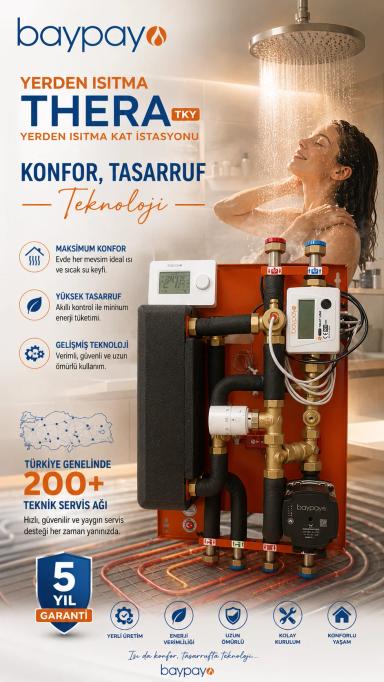
Heat meters are also commonly associated with Heat Interface Units (HIUs).
An HIU separates the primary heat network from the secondary heating and domestic hot water systems serving an individual property.
Depending on the system design, the HIU can include heating energy measurement and domestic water metering.
This allows the energy delivered to an individual apartment or property to be measured accurately.
Types of Heat Meters
Heat meters can be classified in several ways.
Two particularly important classifications are:
- Communication technology
- Measurement technology
Communication technology determines how the meter communicates its data.
Measurement technology determines how the flow is measured.
Heat Meters by Communication Technology
M-Bus Wired Heat Meters
M-Bus, or Meter-Bus, is a communication technology widely used for meter data collection in buildings.
An M-Bus heat meter communicates through a wired M-Bus network.
Multiple meters can be connected to an M-Bus system and read through a central data collection device or software platform.
Advantages can include:
- Reliable wired communication
- Centralized meter reading
- Suitable for multi-meter installations
- Integration with meter reading software
- Open communication architecture in appropriately configured systems
- No need for a wireless radio link between the meter and receiver
M-Bus is particularly useful in new buildings where communication cabling can be incorporated into the electrical and mechanical installation during construction.
RF Wireless Heat Meters
RF wireless heat meters communicate using radio frequency technology.
This can significantly simplify meter reading in buildings where installing communication cables would be difficult or expensive.
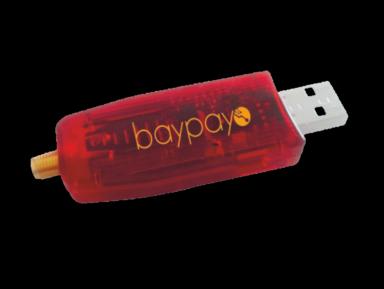
A wireless system can collect data from multiple meters using an RF receiver, concentrator or gateway.
Depending on the system architecture, the collected data can then be transmitted to a central server or remote monitoring platform.
Advantages may include:
- No dedicated communication cable between every meter and receiver
- Easier retrofit installation
- Faster deployment
- Remote data collection
- Reduced need for physical access to individual meters
Wireless communication can be particularly valuable in existing apartment buildings.
M-Bus vs RF Wireless: Which Is Better?
There is no universal answer.
The right choice depends on the building.
M-Bus may be preferable when:
- Communication cabling already exists
- The building is under construction
- A centralized wired infrastructure is required
- Long-term network architecture is planned around wired communication
RF wireless may be preferable when:
- The building is already occupied
- New communication cables are difficult to install
- Individual meters are distributed throughout apartments
- Remote reading is a priority
- Retrofit installation needs to be completed quickly
Both approaches can provide centralized meter data when correctly designed.
Heat Meters by Measurement Technology
Another important classification is the method used to measure flow.
The two broad categories are:
- Mechanical heat meters
- Ultrasonic heat meters
Mechanical Heat Meters
Mechanical heat meters use a mechanical flow measurement mechanism.
Water movement causes a mechanical component to move, and the resulting movement is converted into a flow measurement.
Mechanical technology has been used in metering systems for many years and can provide reliable measurement when the meter is correctly selected, installed and maintained.
However, mechanical components are subject to physical movement and therefore may be affected by mechanical wear, water quality and other operating conditions.
Ultrasonic Heat Meters
Ultrasonic heat meters use ultrasonic sound waves to determine water flow.
The meter sends ultrasonic signals through the measuring section and evaluates the difference in propagation time between signals travelling with and against the direction of flow.
The measured flow information is then combined with the temperature difference between supply and return lines to calculate thermal energy.
One of the important advantages of ultrasonic measurement is the absence of a conventional rotating mechanical flow element.
Depending on the specific meter design, ultrasonic heat meters can provide:
- High measurement stability
- Low pressure loss
- No conventional moving flow rotor
- Long-term measurement performance
- Electronic data processing
- Advanced communication options
- Remote reading capability
Ultrasonic technology is therefore increasingly common in modern heat metering applications.
Why Are Ultrasonic Heat Meters Becoming More Popular?
Building heating systems are becoming increasingly connected.
A modern meter is no longer expected only to display a number on an LCD screen.
Property managers and energy service companies increasingly require:
- Remote reading
- Consumption history
- Data logging
- Alarm information
- Battery status
- Communication interfaces
- Integration with software
- Automated billing workflows
Ultrasonic heat meters are well suited to this environment because their measurement process is electronic from the beginning.
The meter can therefore combine measurement, data storage and communication in a single device.
What Is Remote Heat Meter Reading?
Remote heat meter reading means collecting meter data without physically visiting each meter.
Traditional meter reading requires a technician to access the meter and manually record the displayed value.
Remote reading eliminates or reduces this requirement.
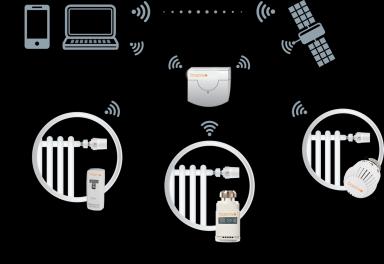
A modern remote reading architecture may include:
Heat Meter → Communication Network → Gateway/Data Concentrator → Internet/Server → Meter Reading Software
Depending on the system, communication can be provided by:
- M-Bus
- RF wireless
- GSM
- Cellular networks
- Internet gateways
- Other supported communication protocols
The collected data can then be processed by centralized software.
How Are Heat Meters Read Remotely?
The exact process depends on the communication system.
M-Bus Remote Reading
With a wired M-Bus system, multiple meters can be connected to an M-Bus master or data concentrator.
The concentrator communicates with each meter and retrieves information such as:
- Current energy consumption
- Flow
- Supply temperature
- Return temperature
- Temperature difference
- Error information
- Meter status
- Stored historical values
The information can then be transferred to software.
RF Wireless Remote Reading
In an RF system, the meter transmits its data wirelessly.
A receiver or gateway collects the radio messages from meters located within the required communication range.
The gateway can then transfer the collected information to a central platform.
This can enable the operator to monitor many apartments from a single location.
What Information Can a Heat Meter Provide?
Depending on the model, a modern heat meter can provide more than the total energy value.
Possible data includes:
- Total energy
- Volume
- Flow rate
- Supply temperature
- Return temperature
- Temperature difference
- Operating hours
- Error codes
- Historical consumption
- Maximum flow
- Battery status
- Communication status
The exact parameters depend on the manufacturer and model.
This additional information can be extremely useful when diagnosing heating system problems.
For example, an unexpectedly high flow rate combined with a low temperature difference may indicate a hydraulic balancing issue.
Similarly, an abnormal temperature difference can help identify problems with system operation, flow conditions or heat transfer.
Heat Meter Service – Baypayo Authorized Service
A heat meter is a precision measuring instrument.
Correct installation, configuration, communication and maintenance are therefore important.
For this reason, heat meter service should be carried out by appropriately trained and authorized technical personnel.
Baypayo provides heat metering products and technical support for applications involving heat meters, heat cost allocators, water meters and remote meter reading systems.
Depending on the product and application, service activities may include:
- Installation support
- Meter configuration
- Communication setup
- Reading system setup
- Troubleshooting
- Meter replacement
- Technical inspection
- Remote reading system support
- Software integration support
The exact service procedure depends on the meter model and the installation.
For a measurement instrument used for billing or regulated cost allocation, the applicable technical and legal requirements should always be considered.
How Is a Heat Meter Installed?
Heat meter installation must follow the manufacturer's installation instructions and the requirements of the heating system.
A typical heat meter installation includes:
- Flow meter installation
- Supply temperature sensor installation
- Return temperature sensor installation
- Electrical/electronic connection where applicable
- Correct flow direction
- Hydraulic commissioning
- Meter configuration
- Communication configuration where applicable
The exact installation position depends on the meter design.
Some meters are designed for installation on the return line, while specific products and systems may use other configurations.
The installation must therefore never be determined solely by appearance.
The manufacturer's installation manual should be followed.
Why Is Correct Heat Meter Installation Important?
A heat meter can be highly accurate only when it is correctly installed and operated within its specified conditions.
Incorrect installation can cause:
- Incorrect flow measurement
- Air accumulation
- Unstable readings
- Communication problems
- Incorrect temperature measurement
- Excessive pressure loss
- Measurement errors
The hydraulic system must also be designed so that the meter operates within its specified flow range.
For example, selecting a meter with an unsuitable nominal flow rate can lead to poor system performance or inadequate measurement conditions.
Heat Meter Installation and Flow Direction
Flow direction is particularly important.
The meter normally has an arrow showing the permitted direction of water flow.
Installing the meter against the specified flow direction can cause incorrect operation or measurement.
The installer should verify:
- Pipe direction
- Meter arrow
- Sensor positions
- Connection fittings
- Pipe dimensions
- Flow range
- Installation orientation
before commissioning the system.
Heat Meter Temperature Sensors
Temperature sensors are another critical component.
One sensor measures supply temperature.
The other measures return temperature.
The calculator compares these values.
If a sensor is incorrectly installed, improperly positioned or connected to the wrong input, the calculated energy value can be incorrect.
Therefore, sensor installation and identification should be checked carefully during commissioning.
Heat Meter Installation in Heat Interface Units
Heat meters are frequently installed in Heat Interface Units.
An HIU typically receives energy from a primary network and transfers that energy to the secondary heating and domestic hot water systems serving a property.
The heat meter can measure the heating energy delivered through the HIU.
This can provide an integrated solution where the building operator needs to monitor individual apartment energy consumption.
Depending on the HIU design, the installation may also include:
- Hot water meter
- Cold water meter
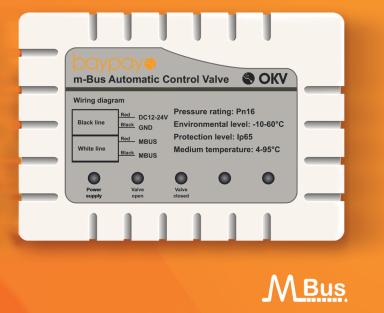
- M-Bus valve
- Control valve
- Differential pressure control
- Temperature control
- Actuator
- Heat exchanger
- Circulation pump
This makes the HIU a complete energy interface rather than simply a meter enclosure.
How Are Heat Meters Inspected and Tested?
Heat meters are measuring instruments and must meet applicable technical and metrological requirements.
Inspection and testing procedures depend on the country, meter type, applicable standards, regulatory framework and intended use.
In Turkey, metering instruments used for regulated measurement applications are subject to applicable metrology legislation and requirements.
A meter used for heating cost allocation or billing should therefore be evaluated according to the current requirements applicable to that installation.
Testing may involve checking:
- Flow measurement
- Temperature measurement
- Calculator operation
- Display
- Communication
- Error functions
- Physical condition
- Installation configuration
- Measurement performance
Where formal verification, calibration or periodic inspection is legally required, it should be performed through the appropriate authorized process.
The applicable legislation should always be checked because regulatory requirements may be updated.
Does a Heat Meter Save Energy?
This is one of the most important questions about heat meters.
A heat meter itself does not directly save energy.
Its primary function is to measure energy consumption.
This distinction is critical.
A heat meter tells you how much energy has been consumed.
It does not automatically reduce the temperature of a room.
It does not improve building insulation.
It does not close a radiator valve.
It does not reduce boiler temperature by itself.
So where does the energy saving come from?
The answer is consumption awareness and control.
When users can see their actual consumption and heating costs are linked more closely to individual use, they have a greater incentive to avoid unnecessary heating.
Real energy savings can also come from:
- Room thermostats
- Thermostatic radiator valves
- Smart thermostats
- Proper hydraulic balancing
- Correct heating system settings
- Building insulation
- Efficient pumps
- Efficient boilers or heat sources
- Properly designed Heat Interface Units
- Reduced unnecessary ventilation losses
- Appropriate room temperatures
- User behaviour
A heat meter is therefore an important part of an energy management system, but it should not be described as a device that directly produces energy savings.
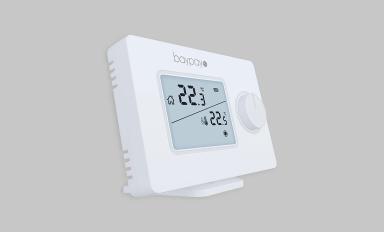
How Does a Room Thermostat Work With a Heat Meter?
A room thermostat and a heat meter have completely different functions.
The thermostat controls the desired room temperature.
The heat meter measures the resulting energy consumption.
For example, if a room thermostat is set to a lower temperature, the heating system may operate for a shorter period or at a lower demand level.
The heat meter then measures the actual thermal energy delivered.
This combination is much more meaningful than relying on the heat meter alone.
The thermostat controls.
The meter measures.
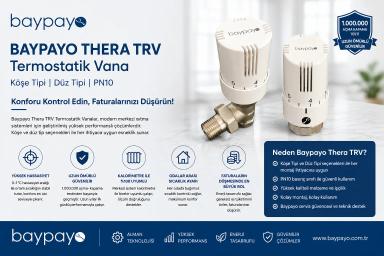
Heat Meter and Thermostatic Radiator Valves
Thermostatic radiator valves can regulate the flow of heating water through individual radiators.
When the room reaches the desired temperature, the valve can reduce the flow.
This can prevent unnecessary heating.
If the building also uses heat meters or heat cost allocators, the reduction in heat delivery can be reflected in the measured consumption.
Therefore, the most effective approach is not simply to install a meter.
It is to combine:
Measurement + Control + Efficient System Design + User Awareness
Can Heat Meters Be Used for Heating Cost Allocation?
Yes.
Heat meter data can be used as an important input for heating cost allocation where the building and legal framework support individual heat metering.
The total heating cost of a building may include several components, and the allocation method can depend on the applicable regulations and building system.
A heat meter provides measured energy consumption for the relevant heating circuit.
The resulting data can then be transferred to a heat cost allocation system.
This can help create a more transparent relationship between energy consumption and heating expenses.
However, the meter reading itself should not be confused with the complete billing or allocation calculation.
Metering and cost allocation are related but different processes.
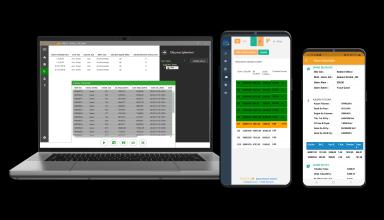
Heat Meter Reading Software
A remote meter reading system becomes particularly valuable when a building contains dozens, hundreds or thousands of meters.
Manually reading every meter is inefficient.
Software can collect data automatically and organize it into a central database.
A professional meter reading platform may provide:
- Meter identification
- Apartment identification
- Current readings
- Historical readings
- Consumption comparisons
- Communication status
- Error monitoring
- Export functions
- Heat cost allocation integration
- Remote access
- Reporting
Depending on the system architecture, data can be accessed from computers, tablets or mobile devices.
Why Is Open Communication Important?
A meter becomes more useful when its data can be integrated into the wider energy management system.
Open or widely supported communication protocols can make it easier to connect meters with:
- Meter reading software
- Building management systems
- Energy monitoring platforms
- Heat cost allocation software
- Data collection gateways
- Third-party software
M-Bus is particularly well known in the European metering sector.
RF wireless systems can also support automated collection when implemented with compatible receivers and software.
For a building owner, communication compatibility should therefore be considered before purchasing meters.
What Is an Ultrasonic Heat Meter?
An ultrasonic heat meter measures heating energy using ultrasonic flow measurement.
Instead of relying on a conventional rotating mechanical flow element, the meter uses ultrasonic signals to determine water flow.
The flow measurement is combined with supply and return temperature measurements.
The calculator then determines thermal energy.
Ultrasonic technology is particularly attractive for modern smart metering systems because measurement and communication are handled electronically.
What Is an M-Bus Heat Meter?
An M-Bus heat meter is a heat meter equipped with an M-Bus communication interface.
The meter measures thermal energy in the normal way, while M-Bus provides a method for transmitting the measured data to a central reading system.
This makes it possible to connect multiple meters to a common communication network.
M-Bus should therefore be understood as a communication technology, not a measurement technology.
A meter can be:
Ultrasonic + M-Bus
or:
Mechanical + M-Bus
These describe two different characteristics of the same meter.
One describes how it measures flow.
The other describes how it communicates.
What Is an RF Wireless Heat Meter?
An RF wireless heat meter is a heat meter that communicates its data using radio frequency wireless communication.
The meter continues to measure thermal energy using its flow and temperature sensors.
RF simply provides the communication path.
Therefore:
Ultrasonic describes measurement technology.
RF wireless describes communication technology.
A modern meter can combine both:
Ultrasonic Heat Meter + RF Wireless Communication
This combination is widely suited to smart residential metering applications.
Mechanical vs Ultrasonic Heat Meters
Both mechanical and ultrasonic technologies can be used to measure thermal energy.
The key difference is the method used to determine flow.
Mechanical
- Uses a moving mechanical flow element
- Established technology
- Familiar installation and servicing requirements
- Mechanical components are subject to wear
Ultrasonic
- Uses ultrasonic signals
- No conventional rotating flow element
- Electronic measurement
- Low pressure loss can be an advantage
- Well suited to modern remote communication systems
The best choice depends on the application, required accuracy, flow range, water quality, installation conditions, communication requirements and project budget.
What Should You Consider When Choosing a Heat Meter?
Selecting a heat meter should not be based only on price.
Important factors include:
1. Nominal Flow Rate
The meter must be appropriate for the expected flow range of the heating circuit.
2. Pipe Size
The meter must be compatible with the installation's pipe dimensions and connection arrangement.
3. Measurement Technology
Mechanical and ultrasonic meters have different characteristics.
4. Communication
Consider whether the system requires:
- M-Bus
- RF wireless
- Other communication options
5. Remote Reading
If remote meter reading is planned, communication compatibility should be checked before installation.
6. Battery Life
Battery-powered meters should provide an appropriate service life for the intended application.
7. Display
A clear display makes local inspection easier.
8. Installation Requirements
The available installation space, pipe configuration and flow direction must be considered.
9. Software Compatibility
If the building uses centralized reading or billing software, the meter should be compatible with the planned system.
10. Regulatory Compliance
The meter should comply with the applicable technical and legal requirements for its intended use.
Common Heat Meter Problems
Many apparent meter problems are actually installation or system problems.
Common issues can include:
- Incorrect flow direction
- Incorrect sensor installation
- Air in the heating circuit
- Flow outside the meter's specified range
- Communication failure
- Battery depletion
- Incorrect configuration
- Poor hydraulic conditions
- Sensor connection problems
- Incompatible reading software
A systematic diagnosis should therefore begin by checking the installation and operating conditions.
Why Is Air Important in a Heat Meter Installation?
Air in a hydronic heating system can affect hydraulic performance.
Depending on the meter technology and installation, excessive air may cause unstable flow measurement or other operating problems.
The heating circuit should therefore be properly filled, vented and commissioned.
The meter should operate under the conditions specified by its manufacturer.
Heat Meter Display Information
A modern heat meter may display several parameters.
Depending on the model, users may be able to see:
- Total energy
- Volume
- Flow
- Supply temperature
- Return temperature
- Temperature difference
- Error information
- Date
- Time
- Historical readings
The exact display sequence varies between manufacturers and models.
A professional installation should include an explanation of the relevant display values so that the property owner or operator understands what the meter is showing.
Can a Heat Meter Measure Cooling Energy?
The same general principle can be applied to cooling energy measurement.
Instead of measuring energy delivered by hot water to a heating system, the meter can measure energy removed from a space through chilled water circulation.
Specialized heating and cooling energy meters can therefore be used in systems serving:
- Fan coil units
- Chilled water systems
- District cooling
- Commercial buildings
- Industrial cooling systems
The suitability of a specific meter for heating, cooling or combined heating and cooling applications must be confirmed from its technical specification.
Heat Meters in Smart Buildings
Modern buildings are becoming increasingly connected.
Heating meters are no longer isolated instruments.
They can become part of a wider digital energy infrastructure.
A smart building may combine:
- Heat meters
- Water meters
- Heat cost allocators
- Room thermostats
- Smart valves
- Heat Interface Units
- Building management systems
- Remote reading software
- Cloud platforms
- Mobile applications
This creates a continuous flow of information from the physical heating system to the building operator.
Why Remote Reading Matters for Property Managers
Imagine a building with 300 apartments.
If every meter has to be read manually, technicians must enter the building, access the meters and record their values.
With a remote reading system, the same information can potentially be collected centrally.
This can reduce:
- Manual labour
- Reading errors
- Access requirements
- Data collection time
It can also improve the frequency and consistency of consumption monitoring.
For large property portfolios, remote reading can become an important operational tool.
Heat Meter Data and Energy Management
The real value of metering becomes visible when data is used.
A single reading tells you how much energy has been consumed.
A series of readings tells you how consumption changes over time.
Historical data can reveal:
Seasonal patterns
- Unusual consumption
- High-consumption apartments
- Heating system anomalies
- Changes after renovation
- Effects of temperature control
- Potential hydraulic problems
This turns the heat meter from a simple measuring device into a source of valuable energy information.
Heat Meter vs Water Meter
The distinction can be summarized very simply.
Meter TypeWhat It MeasuresHeat MeterThermal energyHot Water MeterHot water volumeCold Water MeterCold water volumeHeat Cost AllocatorRelative radiator heat consumption for allocation
A building may require more than one of these devices.
For example, an apartment may have:
- One heat meter for heating energy
- One hot water meter
- One cold water meter
The combination provides a much more complete picture of energy and water consumption.
Does a Bigger Heat Meter Measure More Accurately?
Not necessarily.
The correct meter size is determined by the expected operating conditions, especially the required flow range.
Installing a meter that is unnecessarily large can result in the meter operating at a less suitable part of its measurement range.
Installing a meter that is too small can cause excessive pressure loss or operation outside the specified flow conditions.
Therefore, the meter should be selected based on engineering calculations rather than simply choosing the largest available size.
Why Is Flow Range Important?
Every heat meter is designed to operate within a specified flow range.
For example, the meter may have a nominal flow rate and defined minimum and maximum flow conditions.
If the actual system flow is significantly below the required measurement range, measurement performance may be affected.
If the flow is too high, the meter may also operate outside its specified conditions.
Correct sizing is therefore one of the most important parts of heat meter selection.
What Is the Difference Between a Heat Meter and a Calorimeter?
This is especially important when creating English-language technical content.
In everyday Turkish building-services terminology, kalorimetre is widely used to describe a heat meter.
In international English, however, the term calorimeter generally refers to a scientific instrument used to measure heat in laboratory or experimental applications.
For building heating systems, the preferred terminology is:
Heat Meter
or:
Thermal Energy Meter
Therefore, for an international website, product catalogue or export-oriented SEO strategy, heat meter should normally be the primary term.
This is especially important for Baypayo's English-language product pages.
What Is a Thermal Energy Meter?
A thermal energy meter is another technically correct term for a heat meter.
It describes the same basic concept:
A device that determines thermal energy transferred through a heating or cooling circuit.
The term heat meter is generally shorter and more common in building-services applications, while thermal energy meter can be useful in technical documentation and international product descriptions.
For search engine optimization, both terms can be used naturally.
Heat Meters for Residential Buildings
Residential heat metering is particularly important in multi-apartment developments.
The heating system may have:
- A central boiler
- Heat pump
- District heating connection
- Energy centre
- Primary heating network
The heat is then distributed to individual apartments.
Individual heat meters allow the thermal energy delivered to each apartment to be measured.
When combined with thermostatic controls and efficient heating design, this can help residents better understand their heating consumption.
Heat Meters for New Construction Projects
Heat metering should ideally be considered during the design phase of a new building.
Engineers should consider:
- Meter locations
- Pipe sizes
- Communication infrastructure
- M-Bus cabling
- RF communication
- Electrical requirements
- Access for service
- Remote reading
- HIU configuration
- Water meter positions
- Future software integration
Planning these requirements early can reduce installation costs and avoid retrofit problems later.
Heat Metering in Existing Buildings
Retrofitting heat meters into an existing building can be more challenging.
The existing pipework may not have suitable meter locations.
Communication cables may be difficult to install.
Apartment access may be limited.
In these cases, wireless RF metering can provide a practical alternative where technically appropriate.
Before retrofit, an engineer should evaluate:
- Existing hydraulic design
- Available pipe space
- Meter positions
- Flow rates
- Communication requirements
- Building access
- Existing heating control strategy
Why Heat Metering Is More Than a Meter
A heat meter is only one part of an energy management system.
A complete solution may involve:
Heat Production
→ Boiler, heat pump or district heating
Heat Distribution
→ Pipes, pumps, valves and balancing
Heat Interface
→ Heat Interface Unit or heating circuit
Heat Control
→ Thermostat, thermostatic valve, actuator
Heat Measurement
→ Heat meter
Data Communication
→ M-Bus or RF wireless
Data Management
→ Remote reading software
Cost Allocation
→ Heat cost allocation system
Each part has a different role.
Understanding these roles helps avoid unrealistic expectations about what a meter can accomplish on its own.
Baypayo Heat Meter Solutions
Baypayo develops and supplies metering and heating technology for residential and commercial applications.
Its product portfolio includes heat meters, heat cost allocators, water meters, M-Bus communication solutions, RF wireless metering products, remote meter reading systems and Heat Interface Units.
Baypayo's heat metering portfolio includes ultrasonic heat meter solutions with communication options such as M-Bus wired and RF wireless, depending on the model and application.
The company's approach combines hardware, metering, communication and software technologies to support modern energy measurement systems.
For building owners, contractors and system integrators, this can provide an integrated approach rather than treating the heat meter as an isolated component.
Frequently Asked Questions About Heat Meters
What is a heat meter?
A heat meter is a measuring device that determines the amount of thermal energy transferred through a heating or cooling circuit by measuring flow and temperature difference.
What does a heat meter measure?
A heat meter measures thermal energy. It uses heating water flow and the temperature difference between supply and return lines to calculate energy consumption.
How does a heat meter work?
A heat meter measures water flow, supply temperature and return temperature. Its calculator uses these values to determine the thermal energy transferred.
What is a heat meter used for?
Heat meters are used to measure individual or system-level heating energy consumption in apartments, commercial buildings, district heating systems, HIUs and other hydronic heating applications.
What is the difference between a heat meter and a water meter?
A water meter measures water volume. A heat meter measures thermal energy transferred through a heating circuit.
What is a heat cost allocator?
A heat cost allocator is a device generally installed on a radiator to determine its relative heat consumption for heating cost allocation.
Is a heat cost allocator the same as a heat meter?
No. A heat meter measures thermal energy through a defined heating circuit, while a heat cost allocator is generally installed on an individual heat emitter such as a radiator.
What is an ultrasonic heat meter?
An ultrasonic heat meter uses ultrasonic signals to measure heating water flow and combines that information with supply and return temperatures to calculate thermal energy.
What is an M-Bus heat meter?
An M-Bus heat meter is a heat meter equipped with an M-Bus communication interface for wired meter data collection.
What is an RF wireless heat meter?
An RF wireless heat meter transmits its measurement data using radio frequency communication, allowing readings to be collected without a dedicated communication cable to every meter.
Can heat meters be read remotely?
Yes. Heat meters equipped with compatible M-Bus, RF wireless or other communication systems can be integrated into remote meter reading systems.
Do heat meters save energy?
A heat meter does not directly save energy. It measures consumption. Actual savings are achieved through effective heating controls, thermostats, thermostatic valves, efficient system design, insulation and responsible energy use.
Where are heat meters installed?
Heat meters can be installed in apartment buildings, commercial properties, district heating systems, hotels, industrial facilities, energy centres, Heat Interface Units and other hydronic heating systems.
How long does a heat meter last?
Service life depends on the meter design, operating conditions, water quality, installation and manufacturer specifications. The manufacturer's technical documentation should be consulted for the specific product.
How often should a heat meter be inspected?
Inspection and verification requirements depend on the applicable legislation, meter type and intended use. For regulated applications, the current requirements of the relevant metrology authorities should be followed.
Can a heat meter be installed in an HIU?
Yes. Heat meters are commonly integrated into Heat Interface Units to measure the heating energy delivered to an individual property or apartment.
Can a heat meter measure hot water?
A heat meter measures thermal energy in a heating or cooling circuit. A hot water meter measures the volume of domestic hot water. In some systems, both types of meters are installed.
Which is better: M-Bus or RF wireless?
Neither is universally better. M-Bus is useful where wired communication infrastructure is available, while RF wireless can be advantageous for retrofit installations where communication cabling is difficult.
Which is better: mechanical or ultrasonic?
Both technologies can be used effectively. Ultrasonic technology offers advantages such as electronic measurement and no conventional rotating flow element, while mechanical meters remain an established metering technology. The correct choice depends on the application.
Conclusion: Why Is Heat Metering Important?
A heat meter answers a fundamental question in modern heating systems:
How much thermal energy has actually been delivered?
By measuring heating water flow and the temperature difference between supply and return, the meter calculates the thermal energy transferred to a building, apartment, commercial unit or heating zone.
Heat meters are different from water meters and heat cost allocators.
A water meter measures water volume.
A heat cost allocator determines radiator-related consumption for cost allocation.
A heat meter measures thermal energy through a defined heating circuit.
Modern heat meters can also communicate their data through technologies such as M-Bus wired and RF wireless communication, allowing them to become part of automated remote meter reading systems.
Ultrasonic technology has further expanded the capabilities of modern heat metering by providing electronic flow measurement without a conventional rotating mechanical flow element.
However, one point should always remain clear:
A heat meter measures energy; it does not create energy savings by itself.
The greatest value comes when accurate measurement is combined with effective heating control.
Room thermostats, thermostatic valves, proper hydraulic balancing, efficient heat sources, good insulation and informed user behaviour can all contribute to reducing unnecessary energy consumption.
This is why modern heating management should be viewed as a complete system:
Measure → Monitor → Control → Analyse → Improve
For residential developments, commercial buildings, district heating systems and modern Heat Interface Unit installations, accurate heat metering provides the data needed to understand energy consumption and manage heating more effectively.
For manufacturers, contractors, project developers and building operators, selecting the right heat meter therefore means looking beyond the meter itself.
The measurement technology, communication protocol, installation conditions, remote reading capability, software compatibility, service infrastructure and regulatory requirements should all be considered together.
A properly selected and correctly installed heat meter is not simply a number on a display.
It is the measurement point that connects the physical heating system with energy management, consumption transparency and modern digital building technology.